Table of Contents Show
Let’s be real: we all know deforestation is the “bad guy” of the climate story. But when it comes to the solutions, things get a little fuzzy. You’ve likely heard the terms reforestation and afforestation tossed around like they’re the same thing. There is an ongoing debate about reforestation vs afforestation.
Rest assured, they are not same at all!
In fact, picking the wrong one for the wrong piece of land can actually do more harm than good. In this guide, we’re going to break down the reforestation vs afforestation debate, look at the latest 2026 global data, and find out why even billionaires like Bill Gates are arguing over trees.
Defining the Terms: Deforestation, Reforestation vs Afforestation
What is Deforestation?
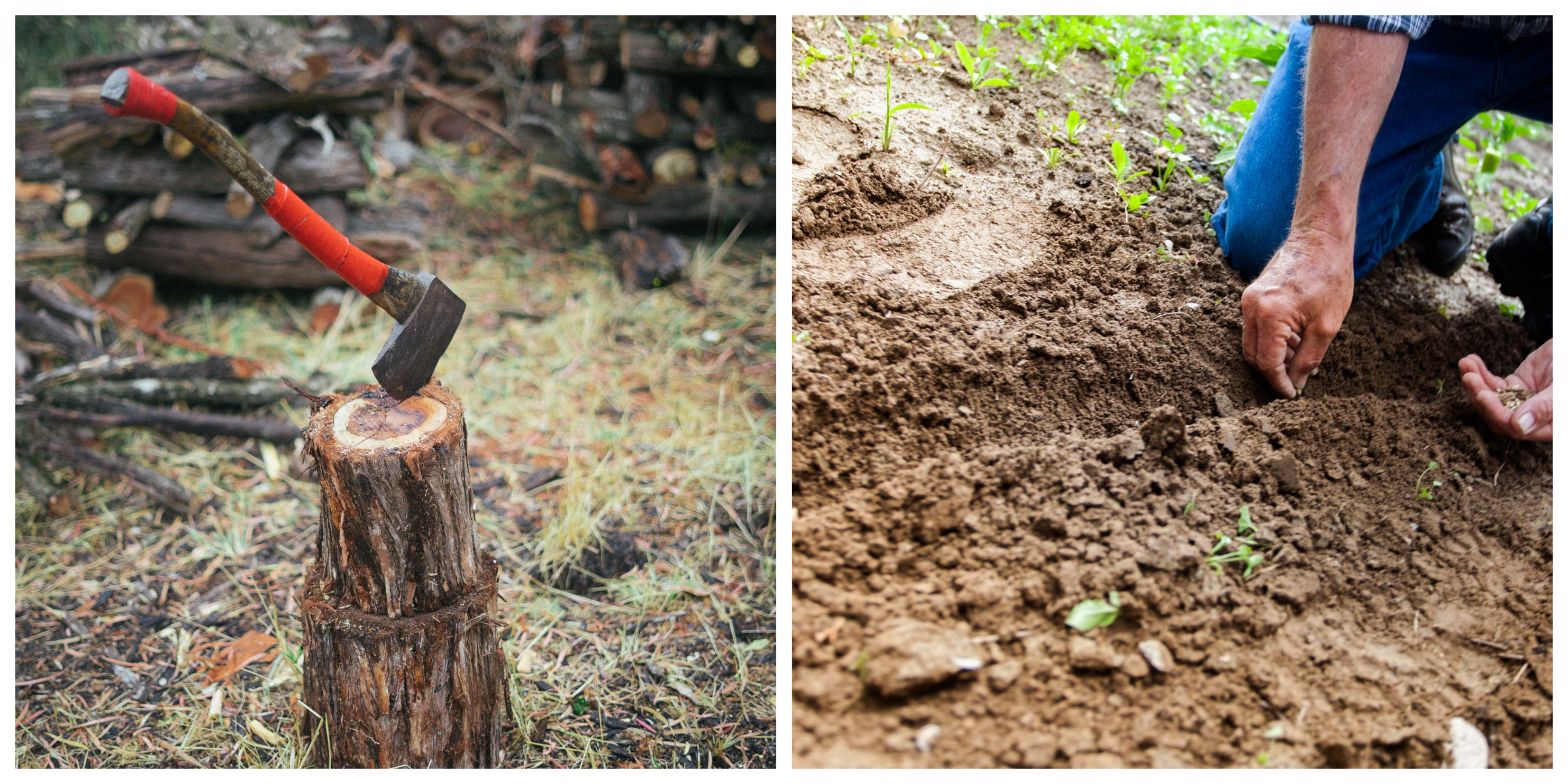
Deforestation is chopping down of trees or clearing of natural forests. Deforestation is usually carried out to fulfill human needs; to make way for housing projects or to carry out agriculture.
We constantly require forest products; this makes it difficult for the forests to replenish its resources in a limited time, leading to a decline in size of these forests. Deforestation has massively increased due to the mass urbanization and industrialization of the planet in the last few decades.
What is Afforestation?
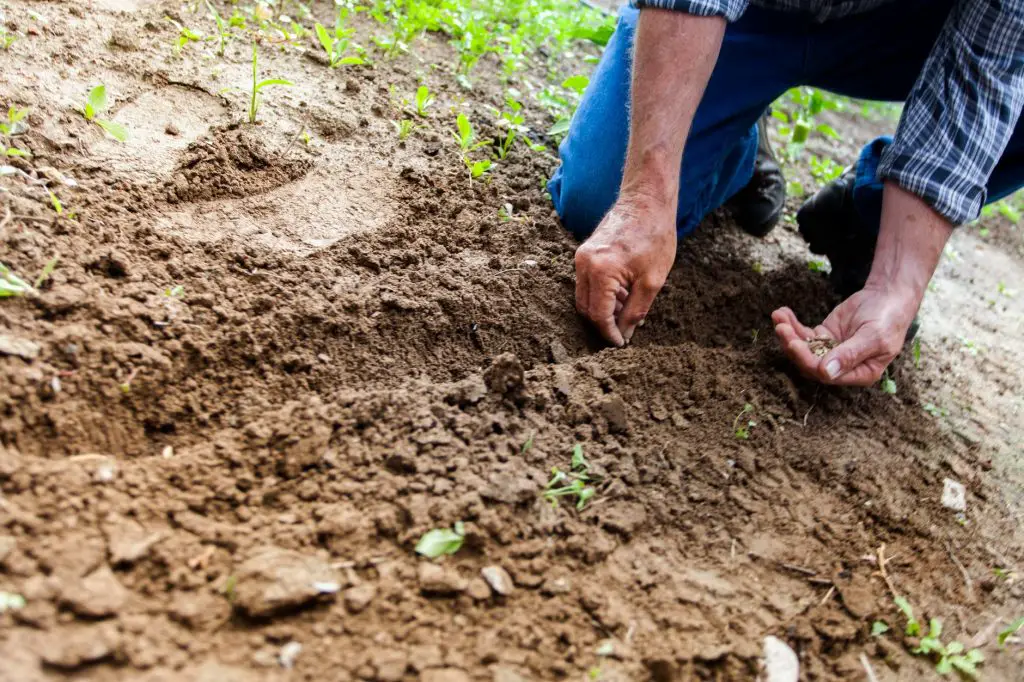
Afforestation is the process of planting trees and plants in barren lands devoid of any trees previously. Afforestation is practiced to compensate for loss of trees due to deforestation being carried out around our planet.
The objective of afforestation is to provide an alternative source for consumers who demand various forests products such as timber. This way, our natural forests are preserved and become more sustainable and protected from extinction.
What is Reforestation?
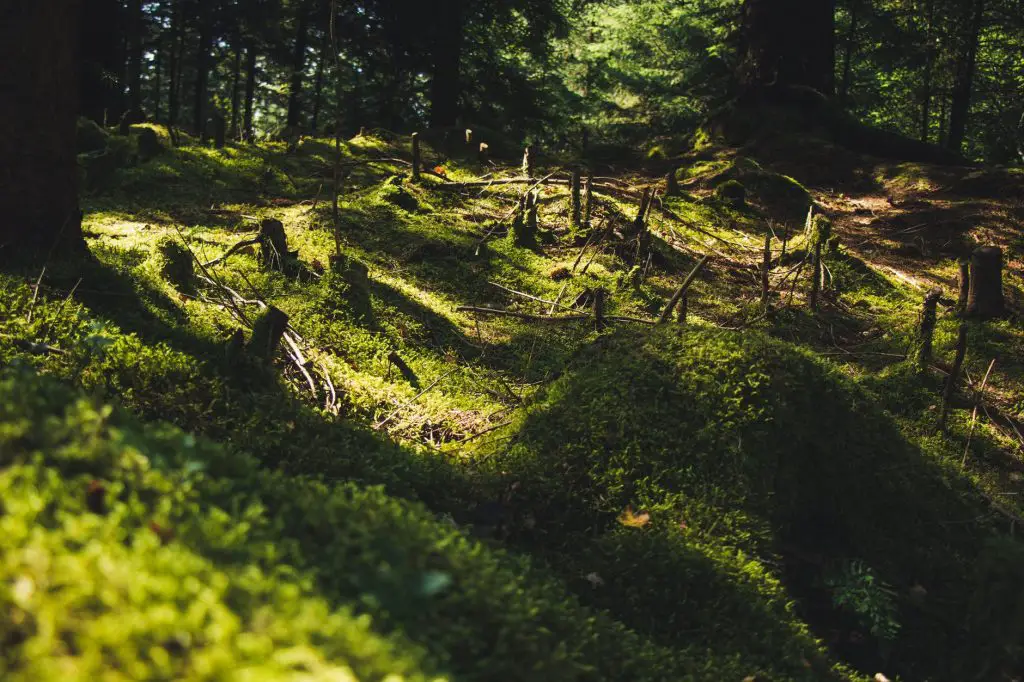
Reforestation is planting of trees in regions where trees have been planted before. These trees could be in the form of natural forests, cleared due to deforestation. Reforestation aims to replenish the ‘tree’ resource of those natural forests.
Differences between Reforestation and Afforestation
Let me table the differences between Reforestation and Afforestation to make it easy for you. These differences have been discussed in detail below the table.
| Primary Goal | Reforestation | Afforestation |
| Land History | Land was recently forested (within 50 years). | Land has not been forested for 50+ years (or ever). |
| Primary Goal | Restore a lost ecosystem/habitat. | Create a brand new forest area. |
| Species Used | Usually indigenous (native) species | Often involves fast-growing or non-native species. |
| Biodiversity | High; aims to recover original wildlife | Initially lower; risks creating a “monoculture.” |
| Soil Impact | Restores existing forest soil health. | Converts non-forest soil (grassland/arid land). |
| Carbon Intent | Replenishes a lost carbon sink. | Expands the planet’s total carbon sequestration. |
Global Trends and Technical Guidelines
The 10 Golden Rules for Successful Reforestation
Experts from the Royal Botanic Gardens, Kew, have established ten golden rules to ensure reforestation actually helps the planet rather than hurting it:
- Protect existing forests first – It’s easier to save a forest than to build one from scratch.
- Work with local communities – Projects succeed when locals are at the heart of the planning.
- Maximize biodiversity – Aim for a recovery of the entire ecosystem, not just trees.
- Select the right area – Target previously forested land that has been degraded.
- Use natural regeneration where possible – Nature is often better at replanting itself than humans are.
- Pick the right trees – Prioritize native species to support local wildlife.
- Plan for resilience – Choose species that can survive future climate shifts.
- Plan ahead – Secure seed supplies and infrastructure before you start digging.
- Learn by doing – Use small-scale trials and scientific monitoring to adjust your strategy.
- Make it pay – Ensure the project provides sustainable livelihoods for local people.
The 10-20-30 Rule for Biodiversity
When planting in urban or managed areas, foresters often follow the 10-20-30 rule to prevent mass canopy loss from disease: a forest should have no more than 10% of one species, 20% of one genus, and 30% of any one family.
Carbon Reserves-Global Warming
Due to the massive cutting down of trees (deforestation), our planet is facing more and more threats of global warming. This is because forests act as carbon reserves of our planet reducing the amount of carbon dioxide in the atmosphere and limiting the greenhouse effect which causes global warming.
To reduce the impact being caused by deforestation, afforestation helps to minimize climate change and global warming by providing trees and plants which can store carbon reducing the carbon emissions of our planet and slowing down global warming in the process.
How Reforestation vs Afforestation Impacts Wildlife Habitats
Wildlife becomes severely affected due to deforestation. The species living in forests become devoid of their natural habitat and shelter grounds, they are unable to find sufficient food for their survival. Migration becomes the only option for those who can do it, while most die because of starvation and may be eaten by predators higher up the chain. This chain of events is what can and has made several species of animals, birds, and plants endangered and even extinct.
Afforestation, on the other hand, provides these species with a habitat similar to their own so that they may live there, find shelter and food, and reproduce to further progress their kind. This has saved many species from extinction and endangerment.
Afforestation is the complete opposite of deforestation. It helps to compensate for the issues and threats faced due to deforestation. Such actions of Afforestation have been a barrier against threats such as climate change.
Reforestation vs Afforestation: 5 Key Differences Explained
Afforestation is defined as planting of trees and plants in regions devoid of any tree cover previously whereas Reforestation involves planting trees in areas where there have been trees before but were cut down to deforestation. That is honestly, the only major difference between the two!
Both afforestation and reforestation have similar objectives, which are to plant trees and to compensate for the loss of carbon sinks (trees) that occurred due to deforestation.
However, the locations in which afforestation and reforestation occurs are completely different. Afforestation occurs in arid lands or grasslands which have never had tree cover or forests before. Such lands are then converted into forests by planting trees on a large scale. Reforestation is the planting of new trees in forests or lands which at one time had a vast number of trees. Basically, reforestation aims to increase ‘tree’ resources in forests.
Few Advantages of Afforestation and Reforestation
- Both of these aim to fulfill high demand of consumer forest products such as honey, rubber, timber and softwood.
- Carbon emissions are reducing due to afforestation and reforestation as new plants and trees act as carbon sinks and reduce greenhouse gases in the environment, thereby, reducing the impact of global warming and climate change.
- The climate in these regions gets regulated and more rainfall occurs to provide drinking water for animals and also for the growth of plants. It basically regulates the water cycle.
- Wildlife is once again invigorated due to the formation of forests. New species may come and previously migrated species may also come back to their habitats. Planting trees provides shelter and habitats for many species; protecting and conserving them from endangerment.
- Employment is provided to labor skilled in processing of forest products produced from these new forests. This allows the workers to support their family and live a better life. This boosts the local economy. However, the timber and cottage industry have reaped the most benefits from these methods.
The only major drawback of afforestation and reforestation is a loss of species biodiversity within the region. Trees that were once present in areas before deforestation were hundreds of years old and of a different indigenous species as compared to the one that may be planted during reforestation.
Therefore, it becomes very essential to plant different species to protect and conserve biodiversity within the region.
Reforestation vs. Deforestation
As we have discussed about deforestation and reforestation already, we will try to keep this section of the article very simple and concise.
Reforestation aims to grow new trees on lands in which there were already massive trees present (like a natural forest), but were chopped down due to industrialization and urbanization. It’s like improving the forest reserve of trees.
Reforestation minimizes the consequences caused by deforestation such as climate change or global warming and provides a safe and healthy ecosystem as well as habitat for wildlife which was significantly harmed due to deforestation.
The Economics and Timeline of Growth
Investment and Cost Comparison
There is a significant economic difference in reforestation vs afforestation budgets.
Afforestation is typically much more expensive, as it requires extensive soil preparation, irrigation systems, and long-term protection to help trees survive in environments that haven’t supported them in decades.
Reforestation is often more cost-effective because the land already has “forest infrastructure” (residual nutrients in the soil and seed banks).
The Growth Timeline: When is it a “Forest”?
One common question is: How long does it take?
Pioneer Stage (1–5 years): Fast-growing species provide initial ground cover.
Old Growth (100+ years): The forest reaches maximum biodiversity. Reforestation usually hits this stage faster because it builds on an existing ecological foundation.
Establishment (5–15 years): The canopy begins to close, and local microclimates start to form.
Carbon Peak (20–50 years): This is the “sweet spot” where the forest captures the most Carbon.
Agroforestry and The Great Green Wall
What is Agroforestry ?
A growing trend is Agroforestry—the practice of integrating trees into farmland. This is a form of reforestation or afforestation that provides food security while sequestering carbon. It allows farmers to grow crops like coffee or cocoa under the shade of native trees, proving that conservation and agriculture can coexist.
The Great Green Wall : A Case Study :
Is the Great Green Wall in Africa reforestation or afforestation? It is actually both. In areas where the Sahara has reclaimed land, it is afforestation (creating new forests). In areas where trees were recently lost to overgrazing, it is reforestation. This project aims to restore 100 million hectares of degraded land by 2030, showing the massive scale these initiatives can reach.
Conclusion: Why the Distinction Matters for Our Future
In the global effort to combat climate change, both reforestation and afforestation are indispensable tools. However, they are not interchangeable. While reforestation focuses on healing the “wounds” left by deforestation and restoring the delicate balance of native ecosystems, afforestation represents our ambition to expand the planet’s green canopy and create entirely new carbon sinks.
The most successful environmental strategies are those that recognize when to restore and when to create. By prioritizing indigenous species and protecting existing biodiversity, we can ensure that our tree-planting efforts provide more than just a temporary “green” look—they provide a permanent, resilient defense against a warming world.
Frequently Asked Questions (FAQ)
What is the main difference between reforestation vs afforestation?
The primary difference is in the history of the land. Reforestation involves replanting trees on land that was recently a forest (within the last 50 years). Afforestation involves planting trees on land that has not been forested for a long period or was never a forest.
Is afforestation better than reforestation for the environment?
Neither is “better,” but reforestation is generally preferred for biodiversity. This is because reforestation aims to restore a native ecosystem that already existed, whereas afforestation can sometimes create “monocultures” that don’t support as many local wildlife species.
Can afforestation actually be harmful?
Yes. If trees are planted in natural grasslands, peatlands, or wetlands, it can destroy those unique ecosystems and actually release stored soil carbon. Successful afforestation requires careful planning to ensure it doesn’t replace one vital habitat with another.
Which process is more effective for carbon sequestration?
Both are effective, but reforestation often sees faster results because the soil may already contain the nutrients and microbial life needed for forest growth. Afforestation takes longer but has the potential to increase the Earth’s total capacity for carbon storage in the long run.
Can reforestation happen naturally?
Yes. Natural regeneration occurs when a forest regrows on its own after being abandoned or protected from fire. It is often cheaper and can capture up to 40 times more carbon than human-made plantations.
Which country leads in deforestation and forest cover?
As of 2026, Russia has the largest total forest area (over 815 million hectares), followed by Brazil and Canada. Conversely, Brazil remains the world leader in primary forest loss, though countries like Cambodia have seen the fastest rate of deforestation in recent years.
What are the weaknesses or drawbacks of reforestation?
If poorly planned, reforestation can lead to monocultures (one type of tree) which are susceptible to disease. It can also deplete local water resources if “thirsty” species like eucalyptus are used, or lead to social conflicts if local communities are excluded from the land.
Can you replant a cut-down tree?
Technically, you cannot replant the tree that was cut down, as its root system is dead. However, you can plant a new tree near the old stump. Experts recommend planting at least 3 to 8 feet away to avoid the old root systems and nutrient-depleted soil.
Which tree is the “King of Carbon Absorption”?
The Trembesi tree (Samanea saman), also known as the Rain Tree, is a top carbon absorber, capable of sequestering up to 28.5 tons of CO2 per year due to its massive umbrella-like canopy. For oxygen production, Douglas fir, spruce, and maple are among the highest performers.
Is the United States gaining or losing trees?
The U.S. currently maintains approximately 311 million hectares of forest. While the total acreage has remained relatively stable, the quality of forests is shifting as old-growth primary forests are replaced by younger, managed timberlands.
What is the difference between reforestation and forest restoration?
While reforestation is the act of planting trees, forest restoration is a broader term. Restoration aims to bring back the entire ecosystem, including the original soil health, fungi, undergrowth, and wildlife, rather than just the tree canopy.
Can you use drones for reforestation?
Yes! High-tech reforestation now uses seed-firing drones that can plant up to 40,000 seeds per day in hard-to-reach areas. This technology is revolutionizing how we handle large-scale reforestation after massive wildfires.
What is “Redd+”?
You may see the term REDD+ (Reducing Emissions from Deforestation and forest Degradation). It is a UN-backed framework that pays developing countries to protect their forests rather than cutting them down, making it a financial incentive to stop deforestation before reforestation is even needed.
Does afforestation affect the water table?
Yes, it can. This is a common “drawback” question. If you plant “thirsty” trees like Eucalyptus in an area that was previously a dry grassland, they can drink too much groundwater, potentially drying up local wells and streams.
How can I buy “Carbon Credits” for these projects?
If you’re a business, you can buy credits through registries like Verra or Gold Standard. Brokers like Native Energy help connect you to verified reforestation projects so you know your money is actually growing a tree, not just a spreadsheet entry. There is TIST program