Table of Contents Show
What is Integrated Pest Management?
Integrated Pest Management (IPM) is an effective, eco-friendly method of controlling pest populations. It uses their life cycles and environmental interactions to achieve this goal. Is this approach right for your farm or garden? To decide, you must compare the pros and cons of integrated pest management to those of traditional, chemical-heavy methods.
The goal of Integrated Pest Management is to resist pest damage with minimal use of resources along with lowest risk to humans, property and the environment.
To increase crop production and to resist damages sustained by pests, Integrated Pest Management (IPM) is implemented; which is an environment-friendly method used to fight pests throughout the world.
Various management methods are used to reduce the use of chemical pesticides, which is the goal here.
IPM mainly emphasizes on natural pest control mechanisms.
Many organizations encourage reduced use of chemical pesticides. For example, FAO encourages farmers to use biological pest control methods for healthy growth of crops with minimum use of chemical pesticides.
The focus of IPM is long-term application of eco-friendly biological methods like:
- Resistant plant strains,
- Natural predators,
- Sterile male techniques,
- Habitat modification
Chemicals in commercial pesticides became so alarming that FAO had to implement IPM in many regions to reduce the hazardous impact on crops and the ecosystem.
Many studies proved that DDT chemical used to control malaria in Africa lead to dangerous side effects. These included:
- breast cancer,
- spontaneous abortions,
- diabetes,
- male reproductive issues,
- impaired child neuro-development.
Therefore, IPM aims to gradually remove the need of pesticides by biological control methods.
The 4 Pillars: Understanding the Pros and Cons of Integrated Pest Management
To effectively implement an IPM program, experts follow four central pillars that balance the pros and cons of integrated pest management:
Action Thresholds
This is the pre-determined point at which pest populations or environmental conditions indicate that pest control action must be taken. Instead of spraying at the sight of a single bug, farmers determine if the pest is an actual economic threat. This prevents unnecessary spending and avoids the “con” of chemical over-reliance.
Monitoring and Identification
Not all insects are pests; many are beneficial “natural enemies” that eat the bad bugs. Regular scouting—such as using sticky traps or visual inspections—ensures you are only targeting harmful species. This accurate identification is a major “pro” as it protects your local biodiversity from accidental poisoning
Prevention:
The first line of defense is to manage the crop or lawn to prevent pests from becoming a threat in the first place. This includes using pest-resistant plant varieties and practicing crop rotation to disrupt the life cycles of soil-borne insects. By creating an unfavorable environment for pests, you reduce the need for more demanding care later.
Control
If the threshold is met, IPM evaluates the best control method starting with the least risky. This includes mechanical controls like trapping or weeding, and biological controls like releasing ladybugs. If these fail, highly targeted chemicals are used as a last resort to minimize the impact on human health and “innocent bystander” organisms.
Major Pros and Cons of Integrated Pest Management
We start with Advantages first then move on to the Disadvantages. There are many pros of Integrated Pest Management (IPM) other than lowering the impact of chemical substances upon the biological organisms in the ecosystem.
1. Slower development of pesticide-resistance
Pests are able to develop resistance to pesticides over time.
That means the amount of pesticide you need today is only half of what you’ll need after a few years to have the same effect. The pests become resistant to it.
As the chemicals are repeatedly applied on the crops, natural selection makes the pests develop resistance to those pesticides.
The genes of the pests which survive the chemicals would be passed on to the next offspring. Highly pesticide-resistant super-pests are created in this manner.
Only integrated pest management can slow down development of such species while making sure your crop has perfect yields.
P.S: This may well be the first step for farmings wishing to practice organic farming.
2. Maintaining a balanced ecosystem

The pest population may well be eradicated by the use of pesticides.
But at what cost?
Research indicates high risk of pesticide-toxicity to nearby organisms which are just ‘innocent bystanders’.
This may lead to loss of species. If these were to be one of keystone species, there would dire consequences to the ecosystem.
To balance the ecosystem by reducing loss of other species, IPM is able to eradicate specifically targeted pests, without harming other species.
3. Damage to Biodiversity
As we were discussing the loss of species from the ecosystem, it would only be necessary to mention the extent of biodiversity loss over here.
Biodiversity is the variety of the organisms present in the ecosystem.
If the ecosystem gathers toxic pesticide chemicals within it, there could be disastrous species loss from the ecosystem.
Many of those species we may not even know of!
How IPM makes sure of not harming biodiversity is similar; targeting specific species.
4. Better cost vs. value margin

As discussed before, IPM is better for the long run.
IPM is able to control population surges in pests automatically. Regular use of pesticide application would not be able to take care of that.
Regularly using pesticides may end up costing you more than you think! This is specially true when you think long-term.
I used this book to learn about the economics of Integrated Pest Management.
Disadvantages of integrated pest management
The disadvantages of IPM are little but worthwhile to read if you’ve thought of implementing Integrated Pest Management.
1. Takes Time to Learn IPM

It would take time to educate individual farmers about Integrated Pest Management as it has many variables.
The farmers would have to be educated about all variables of Integrated Pest Management when it comes to choosing the best type of IPM strategy for their crop.
This would take time. For a quicker dive into this, head on to Recommendations.
2. Time and energy consumption
Integrated Pest Management has to be closely monitored and the application of it would take time.
In order to provide the best pest-control method, the practice of Integrated Pest Management has many different integrated methods.
It is very important to analyze and monitor different control methods as different pests have different control methods. It takes time to select, test and implement the best one.
Takes even more time to see results.
When we implemented it on one of the tree farms of Environmentbuddy, it took nearly 2 years to see results.
3. More resources needed
Integrated Pest Management would require more resources as compared to the pesticides because IPM has various techniques and methods to be applied.
4. More demanding care
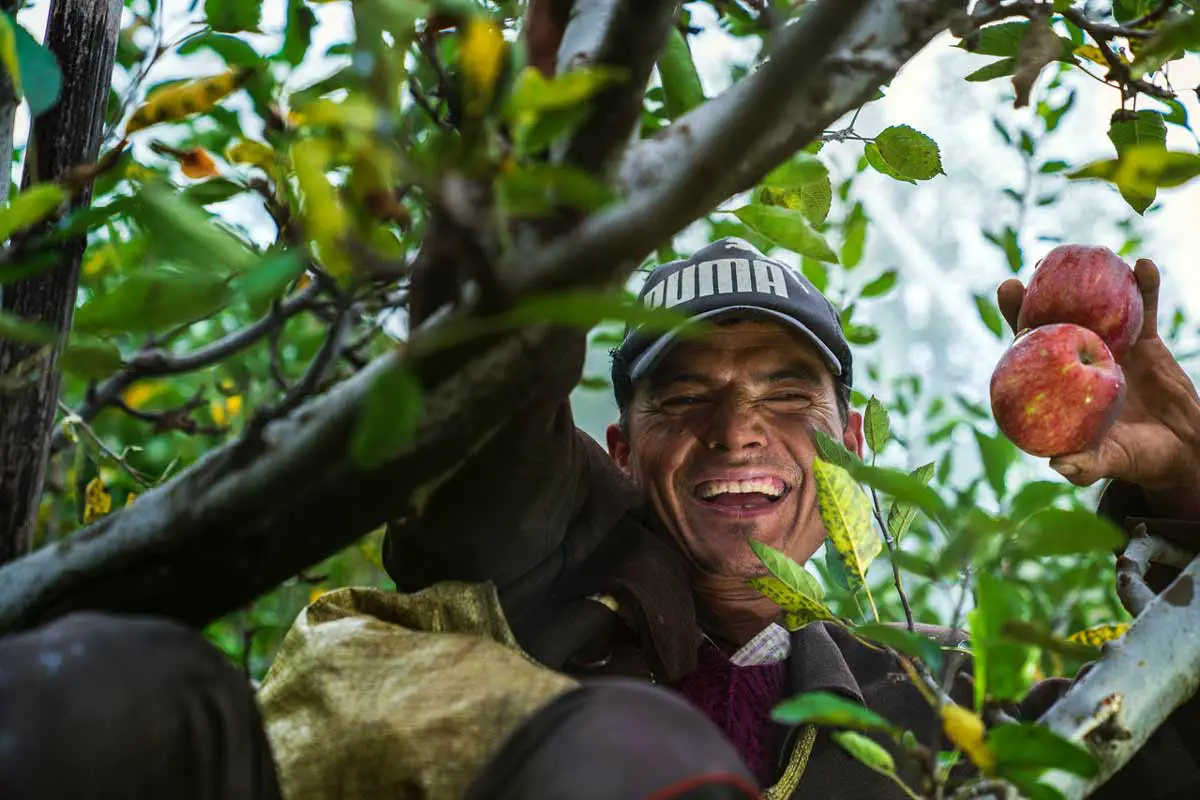
Integrated Pest Management would require more care whether it’s a farm or a garden because of the technicality in the process.
However, these disadvantages are easily eliminated as there are organizations that provide proper training and education of IPM to the farmers and to the people who would want to use it.
Recommendations
If you’re thinking of pulling the trigger on Integrated pest management. I’d like to recommend the following books to learn best about IPM concepts, practices and examples.
Integrated Pest Management: Concepts, Tactics, Strategies and Case Studies By Edward Radcliffe, William Hutchison and
Rafael Cancelado.
Integrated Pest Management: Current Concepts and Ecological Perspective By Dharam P Abrol
We’d suggest you to buy E-version of these books. If you plan to buy the paperback version; plant a tree in your back yard and share the book around after you read it
FAQs: Understanding the Pros and Cons of Integrated Pest Management
What is the primary goal of Integrated Pest Management?
The main objective is to suppress pest populations below an “economic injury level” rather than attempting to eradicate them completely. This approach balances the pros and cons of integrated pest management by minimizing environmental hazards while keeping farming costs manageable and yields high.
Is IPM more expensive than traditional pesticide use?
In the short term, IPM can be more expensive because it requires specialized knowledge and frequent monitoring of the ecosystem. However, in the long run, it is often more cost-effective because it prevents “pesticide treadmills” where farmers are forced to buy more expensive chemicals to kill resistant super-pests
What are the three main types of IPM controls?
IPM uses a “tiered” approach to control. It starts with Biological controls (using natural predators like ladybugs), moves to Physical or Mechanical controls (like traps or barriers), and only uses Chemical controls as a last resort when all other methods have failed to protect the crop.
2 comments
There is certainly a great deal to learn about this topic. I really like all the points you’ve made.
Hi Graig!
Thank you for taking the time to read this, appreciate your comment!